
Discover the perfect blend of durability, comfort, and functionality that’s revolutionizing how tradespeople carry their essential tools
Picture this: It’s 6 AM on a crisp Monday morning, and you’re standing at the base of a towering construction site. The concrete dust from yesterday still lingers in the air, and the familiar sound of power tools echoes through the skeletal framework above. You reach for your hammer, then your measuring tape, followed by your utility knife—each tool exactly where it should be, secure and easily accessible on your Husky Tool Belt. This isn’t just about convenience; it’s about the difference between a productive day and a frustrating one filled with constant trips back to your toolbox.
For decades, professional tradespeople have understood a fundamental truth: the right tool belt isn’t just an accessory—it’s an extension of your body, a trusted partner that can make or break your efficiency on the job. Among the countless options flooding the market, one name has consistently risen above the rest, earning the respect of carpenters, electricians, plumbers, and weekend warriors alike. The Husky Tool Belt has become synonymous with reliability, innovation, and that rare combination of rugged durability and surprising comfort that every craftsperson dreams of finding.
But what exactly makes these tool belts so special? Why do seasoned professionals who’ve tried everything else keep coming back to Husky? And more importantly, how do you know if a Husky Tool Belt is the right choice for your specific needs? Whether you’re a veteran contractor looking to upgrade your gear or a newcomer to the trades searching for your first professional-grade tool belt, this comprehensive guide will walk you through everything you need to know about these remarkable pieces of equipment.
What Makes a Husky Tool Belt Complete: Understanding What’s Included
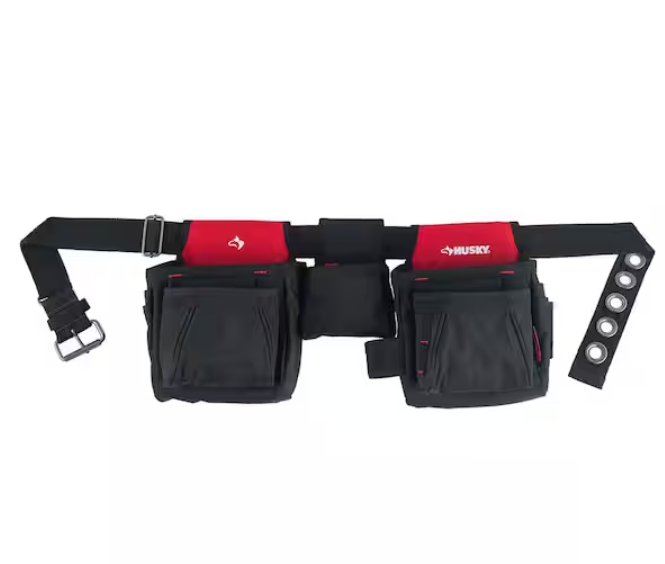
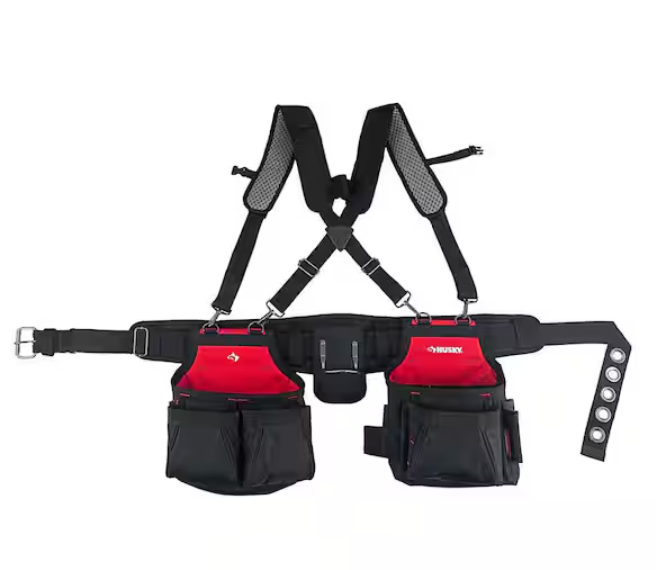
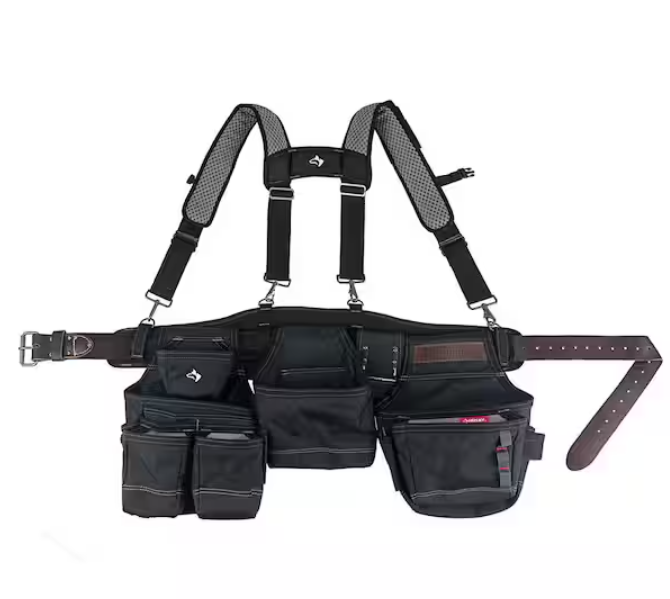
When you invest in a Husky Tool Belt, you’re not just buying a simple leather strap with a few pockets. These comprehensive systems are thoughtfully designed to provide everything a professional needs to stay organized and efficient throughout their workday. The typical Husky tool belt package includes multiple components that work together seamlessly to create a complete tool-carrying solution.
Most Husky Tool Belt configurations come with a heavy-duty leather or synthetic belt that serves as the foundation for the entire system. This isn’t your average department store belt—it’s specifically engineered to distribute weight evenly across your hips and lower back, reducing fatigue during those long days when you’re constantly moving and bending. The belt itself features reinforced holes and heavy-duty hardware that can withstand years of daily use without showing signs of wear.
The pouch system is where the real magic happens. A standard Husky Tool Belt typically includes a main tool pouch with multiple compartments for organizing different types of tools, a hammer loop positioned for easy access with your dominant hand, and several smaller pouches designed for specific items like nails, screws, or measuring tools. Many models also include a utility knife holder, tape measure clip, and even a small pouch designed specifically for pencils and marking tools.
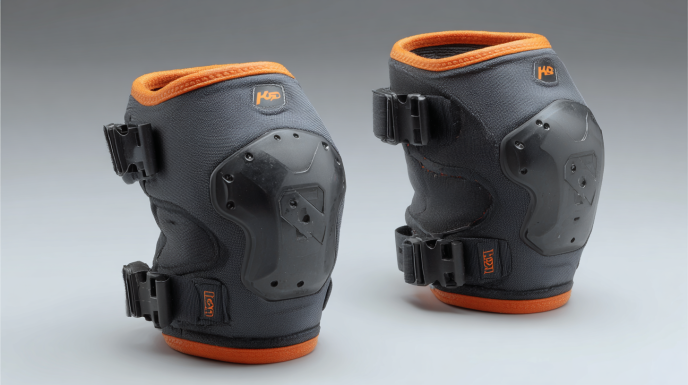
What sets Husky apart from many competitors is their attention to the little details that make a big difference. Their tool belts often include features like reinforced stress points where tools are most likely to cause wear, strategically placed rivets that prevent tearing, and even small organizational pockets for items like business cards or small hardware. Some models come with additional accessories like suspenders for extra support, knee pad attachments, or modular components that allow you to customize your setup based on your specific trade requirements.
The inclusion of high-quality hardware cannot be overstated. The buckles, snaps, and attachment points on a Husky Tool Belt are designed to withstand constant use and abuse. These aren’t the flimsy plastic components you might find on cheaper alternatives—they’re typically made from durable metals that won’t crack, break, or wear out after a few months of regular use.
Investment Analysis: Understanding Husky Tool Belt Pricing
When considering the purchase of a Husky Tool Belt, it’s important to understand that you’re making an investment in your productivity and professional efficiency rather than simply buying another piece of equipment. The pricing structure for these tool belts reflects the quality of materials, construction techniques, and long-term durability that Husky has built their reputation upon.
Entry-level Husky Tool Belt options typically start in the range of $40 to $70, making them accessible to apprentices and weekend DIY enthusiasts who want professional-grade quality without breaking the bank. These basic models still include the core features that make Husky tool belts superior to many competitors: durable construction, thoughtful pocket placement, and reliable hardware. Even at this price point, you’re getting a tool belt that will likely outlast several cheaper alternatives.
Mid-range models, priced between $70 and $120, represent the sweet spot for many professional tradespeople. These Husky Tool Belt configurations typically include additional pouches, enhanced comfort features like padded waistbands, and premium materials that provide even greater durability. The extra investment at this level often pays for itself quickly through improved comfort and organization, which directly translates to increased productivity on the job site.
Premium Husky Tool Belt systems can range from $120 to $200 or more, depending on the specific configuration and included accessories. These top-tier options often feature the finest leather construction, advanced comfort technologies, modular component systems that allow for customization, and comprehensive warranty coverage. For professionals who rely on their tools daily and understand the long-term value of quality equipment, these premium options represent an excellent value proposition.
It’s worth noting that the initial purchase price of a Husky Tool Belt should be considered alongside its expected lifespan and the potential impact on your earning capacity. A high-quality tool belt that lasts five to ten years while improving your daily efficiency can easily pay for itself many times over. When you factor in the reduced fatigue, improved organization, and enhanced professional appearance that comes with using quality equipment, the true cost per use becomes remarkably low.
Many professionals also appreciate that Husky frequently offers package deals and seasonal promotions that can provide additional value. These might include bundled accessories, extended warranty coverage, or special pricing on multiple units for teams or companies looking to standardize their equipment.
Where to Find Your Perfect Husky Tool Belt: A Comprehensive Buying Guide
The popularity and widespread availability of Husky Tool Belt products means that finding one should be relatively straightforward, but knowing where to look can help you find the best selection, pricing, and customer service for your specific needs. Understanding your purchasing options will ensure you make an informed decision and have access to proper support throughout your ownership experience.
Home Depot represents the primary retail channel for Husky Tool Belt products, given that Husky is their house brand for tools and accessories. Their extensive network of physical stores allows you to see, touch, and try on different models before making a purchase—something that’s particularly valuable when selecting a tool belt, since fit and comfort are crucial factors. Home Depot stores typically carry the full range of Husky tool belt options, from basic models perfect for homeowners to professional-grade systems designed for daily commercial use.
The advantage of purchasing your Husky Tool Belt from a physical Home Depot location extends beyond just being able to examine the product in person. Their knowledgeable staff can often provide insights about which models work best for specific trades, and they frequently have access to customer feedback and return information that can help guide your decision. Additionally, Home Depot’s generous return policy provides peace of mind if the tool belt doesn’t meet your expectations or fit properly.
Online purchasing through Home Depot’s website offers the convenience of shopping from home while still maintaining access to the full product line and customer support. Their website typically features detailed product descriptions, customer reviews, and comparison tools that can help you make an informed decision. Online ordering also opens up access to models that might not be stocked in your local store, and they often offer convenient delivery or in-store pickup options.
Other major retailers occasionally carry Husky Tool Belt products, particularly during special promotions or seasonal sales events. However, selection at these alternative retailers is typically more limited, and you may not have access to the same level of product expertise or customer support that comes with purchasing directly from Home Depot.
For professionals looking to purchase multiple Husky Tool Belt units for their team or company, Home Depot’s commercial sales division can often provide volume pricing and customized solutions. This can be particularly valuable for contractors who want to standardize their crew’s equipment while potentially reducing per-unit costs.
When purchasing online from any retailer, it’s important to verify that you’re buying genuine Husky products, as the popularity of the brand has unfortunately led to some counterfeit products appearing on various marketplaces. Sticking with authorized retailers ensures you’re getting authentic products backed by proper warranty coverage and customer support.
Built to Last: The Exceptional Durability of Husky Tool Belts
The durability of a Husky Tool Belt isn’t just a marketing claim—it’s a fundamental characteristic that has been proven through years of real-world use by professionals who demand reliability from their equipment. Understanding what makes these tool belts so durable can help you appreciate the value proposition and make an informed decision about your investment.
The foundation of any Husky Tool Belt’s durability lies in the quality of materials used in its construction. Husky typically employs premium full-grain leather for their higher-end models, which represents the strongest and most durable type of leather available. This material not only provides exceptional strength and resistance to tearing but also develops a beautiful patina over time that many craftspeople find appealing. The leather is typically treated with protective finishes that help resist water, oils, and other substances commonly encountered on job sites.
For those who prefer synthetic materials or work in particularly harsh environments, Husky also offers Husky Tool Belt models constructed from high-tech synthetic materials that provide excellent durability while offering advantages like lighter weight and easier cleaning. These synthetic materials are often more resistant to certain chemicals and weather conditions than traditional leather, making them ideal for specific applications.
The construction techniques used in manufacturing Husky Tool Belt products contribute significantly to their legendary durability. Double and triple stitching in high-stress areas ensures that seams won’t fail even under heavy loads. The thread used is typically a heavy-duty polyester or nylon that resists UV degradation, moisture, and abrasion. Stress points where tools hang or where the belt experiences the most wear are often reinforced with additional material layers or protective patches.
Hardware selection represents another critical factor in the overall durability of a Husky Tool Belt. The buckles, snaps, rivets, and other metal components are typically made from corrosion-resistant materials like stainless steel or zinc-plated steel. These components are designed to maintain their strength and functionality even after years of exposure to moisture, dust, and the physical stresses of daily use.
Real-world durability testing by professionals provides the most compelling evidence of a Husky Tool Belt’s longevity. Many tradespeople report using the same Husky tool belt for five, ten, or even fifteen years of daily professional use. This level of durability is particularly impressive when you consider the harsh conditions these tool belts endure—constant loading and unloading of heavy tools, exposure to weather, dust, chemicals, and the general wear and tear that comes with physical labor.
The modular design of many Husky Tool Belt systems also contributes to their practical durability. If one component becomes worn or damaged, it can often be replaced without needing to purchase an entirely new system. This not only extends the useful life of your investment but also allows you to adapt your tool belt configuration as your needs change over time.
Material Excellence: What Goes Into Making Husky Tool Belts
The exceptional performance and longevity of Husky Tool Belt products can be directly attributed to the careful selection and application of premium materials throughout their construction. Understanding these materials helps explain why these tool belts command respect in professional circles and why they represent such excellent long-term value.
When it comes to leather Husky Tool Belt models, the company typically utilizes top-grain or full-grain leather, which represents the highest quality leather available. This leather comes from the outermost layer of the hide, where the fibers are most tightly packed and provide maximum strength. Unlike corrected-grain or split leather used in cheaper alternatives, full-grain leather retains its natural characteristics and actually becomes stronger and more attractive with age and use.
The tanning process used for Husky Tool Belt leather is typically vegetable tanning, which creates a more durable and environmentally friendly product compared to chemical tanning methods. This process results in leather that’s more resistant to cracking, maintains its shape better over time, and develops the rich patina that many craftspeople appreciate. The leather is also treated with protective oils and finishes that help repel water and resist staining from common job site substances.
For synthetic Husky Tool Belt options, Husky employs advanced materials like ballistic nylon, Cordura fabric, or proprietary synthetic blends that offer specific advantages over traditional leather. These materials are often lighter weight, completely waterproof, and may offer superior resistance to certain chemicals or extreme temperatures. The synthetic materials used are typically the same high-performance fabrics found in military gear, outdoor equipment, and other demanding applications.
The thread used in Husky Tool Belt construction deserves special attention, as it’s often an overlooked component that plays a crucial role in overall durability. Heavy-duty polyester or nylon thread provides exceptional strength while resisting UV degradation, moisture absorption, and abrasion. The thread is typically bonded or treated to prevent fraying and maintain consistent tension over time.
Hardware components on a Husky Tool Belt are carefully selected for both functionality and longevity. Buckles are typically made from solid brass, stainless steel, or zinc-plated steel that won’t corrode or weaken over time. Rivets and grommets are similarly constructed from corrosion-resistant materials and are sized appropriately for the stresses they’ll encounter. Even seemingly minor components like D-rings and snap hooks are selected for their strength and reliability.
The padding materials used in comfort-focused Husky Tool Belt models represent another area where material quality makes a significant difference. High-density foam padding maintains its shape and cushioning properties over time, while cheaper alternatives may compress and lose effectiveness after just a few months of use. The covering materials for padding are typically moisture-resistant and easy to clean, ensuring comfort and hygiene during extended wear.
Quality control during the material selection and application process ensures that every Husky Tool Belt meets strict standards for consistency and performance. This attention to material quality throughout the manufacturing process results in products that not only perform better initially but maintain their performance characteristics much longer than alternatives made with inferior materials.
Comfort and Adjustability: The Perfect Fit for Every Professional
One of the most critical factors in choosing a Husky Tool Belt is ensuring proper fit and comfort, especially for professionals who wear their tool belts for eight hours or more each day. The adjustability features and comfort technologies incorporated into these tool belts can make the difference between a productive, comfortable workday and one filled with fatigue and discomfort.
The adjustable nature of Husky Tool Belt systems allows them to accommodate a wide range of body sizes and shapes while maintaining optimal weight distribution. Most models feature multiple adjustment points, including the main belt length, individual pouch positioning, and often the height at which pouches hang. This level of adjustability ensures that the tool belt can be configured to work with your specific body dimensions and movement patterns.
The belt sizing for Husky Tool Belt products typically ranges from small sizes around 29-32 inches up to extra-large options that can accommodate waist sizes of 46 inches or more. However, it’s important to note that tool belt sizing differs from regular clothing sizes, as tool belts are typically worn over clothing and need to account for the thickness of work pants, shirts, and potentially layered clothing in colder weather.
Comfort features integrated into Husky Tool Belt designs reflect the company’s understanding of what professionals need for all-day wear. Padded waistbands distribute weight more evenly across your lower back and hips, reducing pressure points that can cause discomfort or fatigue. The padding materials are typically designed to breathe, preventing excessive heat buildup that can occur when wearing a tool belt for extended periods.
The weight distribution characteristics of a well-designed Husky Tool Belt cannot be overstated in terms of their impact on comfort and long-term health. By spreading the weight of your tools across your entire waist and hip area rather than concentrating it in specific spots, a quality tool belt reduces strain on your back and allows you to work longer with less fatigue. The positioning of pouches and tool holders is carefully engineered to maintain balance and prevent the belt from shifting or sliding during movement.
Ergonomic considerations play a major role in Husky Tool Belt design, with features like contoured pouches that follow the natural curve of your body, angled tool holders that provide easier access, and strategically placed reinforcement that prevents bunching or rolling. These design elements might seem minor, but they contribute significantly to overall comfort during extended wear.
For professionals who spend significant time kneeling, bending, or working in awkward positions, the flexibility and movement characteristics of a Husky Tool Belt become particularly important. The materials and construction techniques used allow the belt to flex and move with your body while maintaining the security and positioning of your tools. This flexibility prevents binding, pinching, or other discomfort that can occur with poorly designed tool belts.
Many Husky Tool Belt models also offer compatibility with suspender systems, which can provide additional support and weight distribution for professionals carrying particularly heavy tool loads. Suspenders help transfer some of the weight from your waist to your shoulders, reducing lower back strain and improving overall comfort during long workdays.
Professional Performance: Why Electricians and Carpenters Choose Husky
The versatility and specialized features of Husky Tool Belt systems make them particularly well-suited for the demanding requirements of specific trades like electrical work and carpentry. Understanding how these tool belts address the unique needs of different professions can help you determine if they’re the right choice for your specific applications.
For electricians, a Husky Tool Belt offers several features that directly address the challenges of electrical work. The organization capabilities allow for easy separation of different types of tools and materials—keeping wire nuts separate from electrical tape, organizing different sizes of screwdrivers, and providing quick access to voltage testers and other diagnostic equipment. Many models include specialized pockets designed specifically for electrical components and small hardware.
The materials used in Husky Tool Belt construction are particularly important for electricians, as they need equipment that won’t conduct electricity and can withstand exposure to various chemicals and environmental conditions found in electrical work. The leather and synthetic materials used provide excellent insulation properties while resisting damage from oils, solvents, and other substances commonly encountered in electrical installations.
Carpenters benefit from the robust construction and tool-carrying capacity of Husky Tool Belt systems, which are designed to handle the weight and variety of tools required for framing, finishing, and general carpentry work. The reinforced hammer loops can withstand the constant loading and unloading of heavy framing hammers, while the multiple pouches provide organization for nails, screws, measuring tools, and the various hand tools that carpenters rely on throughout their workday.
The durability characteristics of a Husky Tool Belt are particularly important for carpenters, who often work in environments filled with sawdust, wood chips, and other debris that can cause premature wear on inferior tool belts. The materials and construction techniques used in Husky tool belts resist this type of environmental damage while maintaining their functionality and appearance over time.
Professional framers appreciate the heavy-duty construction of Husky Tool Belt systems, which can handle the weight of multiple hammers, speed squares, cat’s paws, and other tools required for structural work. The weight distribution characteristics become particularly important when carrying heavy tool loads for extended periods, and the comfort features help reduce fatigue during long days of physical work.
Finish carpenters benefit from the organization capabilities and professional appearance of a Husky Tool Belt, which allows them to carry the precision tools required for detail work while maintaining the clean, professional image that’s often important when working in occupied homes or commercial spaces. The ability to keep small hardware organized and easily accessible can significantly improve efficiency during finish work.
The versatility of Husky Tool Belt systems also makes them popular among professionals who work in multiple trades or general contractors who need to adapt their tool carrying requirements based on the specific job at hand. The modular nature of many Husky systems allows for customization and reconfiguration as needs change, providing long-term value and flexibility.
Load-Bearing Excellence: How Much Weight Can a Husky Tool Belt Handle?
One of the most practical considerations when selecting a Husky Tool Belt is understanding its weight-bearing capacity and how that translates to real-world tool carrying capability. Professional tradespeople often need to carry substantial tool loads, and understanding the limitations and capabilities of your tool belt is crucial for both performance and safety.
A well-constructed Husky Tool Belt is typically designed to safely carry tool loads ranging from 15 to 25 pounds, depending on the specific model and configuration. This capacity represents a careful balance between practical utility and long-term comfort, as carrying excessive weight can lead to fatigue, back strain, and reduced productivity over time. The weight capacity is determined not just by the strength of the materials, but also by ergonomic considerations and the need to maintain proper weight distribution.
The actual tools that contribute to this weight capacity vary significantly based on trade and personal preferences. A typical carpenter’s load might include a 20-ounce framing hammer, several chisels, a utility knife, tape measure, speed square, pencils, and various nails or screws. For an electrician, the load might consist of wire strippers, multiple screwdrivers, voltage tester, electrical tape, wire nuts, and small hardware. Understanding your typical tool load helps determine if a Husky Tool Belt will meet your capacity requirements.
The construction techniques used in Husky Tool Belt manufacturing contribute significantly to their load-bearing capability. Reinforced stitching in high-stress areas, heavy-duty hardware, and strategic placement of stress-distribution points allow these tool belts to handle substantial loads without failure. The materials used, particularly in premium leather models, actually become stronger and more resilient with use, gradually conforming to your specific load patterns and movement characteristics.
Weight distribution is equally important as total weight capacity when evaluating a Husky Tool Belt’s performance with heavy tool loads. The design of the pouch system, belt width, and padding all contribute to how effectively the weight is spread across your body. Proper weight distribution can make a 20-pound tool load feel manageable, while poor distribution might make even a 10-pound load uncomfortable and fatiguing.
The modular nature of many Husky Tool Belt systems allows you to optimize your setup for specific weight requirements. For lighter work or situations where mobility is particularly important, you can remove unnecessary pouches and accessories to reduce total weight. For heavy-duty applications, you can add suspenders or additional support accessories to better handle increased loads.
Professional users often develop loading strategies that maximize the utility of their Husky Tool Belt while staying within comfortable weight limits. This might involve carrying only the most frequently used tools on the belt while keeping backup tools in a nearby toolbox, or rotating tool loads based on the specific tasks planned for different parts of the workday.
It’s worth noting that the perceived weight capacity of a Husky Tool Belt often increases as you become accustomed to wearing it and develop efficient loading and movement patterns. Many professionals report that what initially felt like a heavy load becomes much more manageable as their body adapts and they optimize their tool selection and organization.
Size Matters: Finding the Right Husky Tool Belt for Your Build
Proper sizing is crucial for maximizing the comfort, functionality, and safety benefits of your Husky Tool Belt. Unlike regular clothing, tool belt sizing involves multiple considerations beyond simple waist measurement, and understanding these factors will help ensure you select the optimal size for your specific needs and body type.
The sizing system for Husky Tool Belt products typically follows industry-standard measurements, but it’s important to understand that these measurements account for wearing the belt over work clothing. Most professionals wear their tool belts over pants, work shirts, and potentially additional layers during colder weather, so the sizing needs to accommodate this additional bulk. As a general rule, you should add 2-4 inches to your regular pants size when determining tool belt size.
Husky Tool Belt options typically range from size Small (accommodating waist sizes around 29-34 inches) through Extra Large (fitting waist sizes up to 46-50 inches), with some models offering even larger sizes for specialized applications. However, it’s important to note that different model lines may have slightly different sizing specifications, so checking the specific measurements for your chosen model is essential.
The adjustability features built into most Husky Tool Belt systems provide significant flexibility within each size range. Premium models often feature micro-adjustment capabilities that allow fine-tuning of the fit, while basic models typically offer adjustment in 1-2 inch increments through traditional belt holes. This adjustability means that many users can comfortably wear a single size through minor weight fluctuations or seasonal clothing changes.
Body shape considerations extend beyond simple waist measurement when selecting a Husky Tool Belt. Individuals with longer torsos may prefer models with more vertical adjustment capability in the pouch positioning, while those with shorter builds might benefit from more compact pouch configurations. The position of your natural waist versus where you prefer to wear a tool belt can also influence sizing decisions.
For professionals who experience significant weight fluctuations throughout the year—whether due to seasonal work patterns, physical conditioning, or other factors—choosing a Husky Tool Belt with generous adjustability or considering multiple sizes might be worthwhile. Some professionals maintain different tool belt configurations for different seasons or types of work.
The break-in period for a new Husky Tool Belt can also affect fit and comfort, particularly with leather models that gradually conform to your body shape and movement patterns. What might initially feel slightly tight or stiff often becomes perfectly comfortable after a few weeks of regular use, as the materials adapt to your specific proportions and wearing habits.
When trying on a Husky Tool Belt in a store, it’s helpful to simulate actual working conditions as much as possible. This means wearing your typical work clothing and, if possible, loading the belt with representative tools to get a realistic sense of how it will feel during actual use. Many professionals find that the feel of an empty tool belt provides little indication of how it will perform when properly loaded with tools.
Warranty Protection: Understanding Husky’s Commitment to Quality
The warranty coverage provided with Husky Tool Belt products reflects the company’s confidence in their manufacturing quality and provides important protection for your investment. Understanding the specific terms and coverage of these warranties can help you make an informed purchasing decision and ensure you receive maximum value from your tool belt.
Husky Tool Belt products typically come with a limited warranty that covers defects in materials and workmanship for a specified period from the date of purchase. This warranty demonstrates Husky’s commitment to quality and provides recourse if your tool belt fails to perform as expected due to manufacturing issues. The specific warranty period may vary depending on the model and price point, with premium products often receiving longer coverage periods.
The warranty coverage for a Husky Tool Belt typically includes protection against issues like stitching failure, hardware defects, material degradation under normal use, and other problems that result from manufacturing defects rather than normal wear and tear or misuse. Understanding the distinction between warranty-covered defects and normal wear is important for setting appropriate expectations about the coverage.
To maintain warranty coverage for your Husky Tool Belt, it’s important to retain your original purchase receipt and follow any specified care and maintenance guidelines. The warranty typically requires that the tool belt be used for its intended purpose under normal working conditions, and coverage may be voided if the product is modified, misused, or subjected to extreme conditions beyond its design parameters.
The warranty claim process for Husky Tool Belt products is typically straightforward, particularly when purchased from authorized retailers like Home Depot. In most cases, warranty claims can be processed through the original point of purchase, providing convenient access to replacement or repair services. Having your original receipt and being able to demonstrate the specific defect will help expedite any warranty claim.
Beyond the formal warranty coverage, many users report positive experiences with Husky’s customer service when dealing with product issues, even in cases that might fall outside strict warranty terms. The company’s reputation for standing behind their products often extends to providing helpful support and solutions for customers experiencing problems with their tool belts.
It’s worth noting that warranty coverage represents just one aspect of the value proposition offered by a Husky Tool Belt. The robust construction, quality materials, and proven durability mean that most users never need to utilize warranty coverage, as their tool belts continue performing reliably for years beyond the warranty period.
For professional users whose livelihood depends on their tools and equipment, the peace of mind provided by comprehensive warranty coverage can be particularly valuable. Knowing that your Husky Tool Belt is backed by solid warranty protection allows you to focus on your work rather than worrying about equipment failure at critical moments.
Weather Resistance: Protection for All Working Conditions
The ability of a Husky Tool Belt to withstand various weather conditions and environmental challenges is a crucial consideration for professionals who work outdoors or in challenging conditions. Understanding the weather resistance characteristics of these tool belts helps ensure reliable performance regardless of the conditions you encounter on the job site.
Traditional leather Husky Tool Belt models offer natural water resistance that can be enhanced through proper care and treatment. The full-grain leather used in premium models has inherent moisture-resistant properties, and when properly conditioned with leather treatments, can withstand significant exposure to rain, humidity, and other moisture without damage. However, it’s important to understand that leather tool belts require periodic maintenance to maintain their weather resistance properties.
Synthetic Husky Tool Belt options often provide superior weather resistance compared to leather models, particularly for professionals who regularly work in wet or humid conditions. Materials like ballistic nylon or treated synthetic fabrics can be completely waterproof while maintaining breathability and flexibility. These synthetic options are also typically easier to clean and maintain when exposed to mud, dust, or other environmental contaminants.
The hardware components used in Husky Tool Belt construction are specifically selected for their corrosion resistance and ability to maintain functionality despite exposure to moisture and environmental conditions. Stainless steel, brass, and specially treated metal components resist rust and corrosion while maintaining their strength and reliability over time.
UV resistance represents another important aspect of weather protection for Husky Tool Belt products. Professionals who work outdoors are constantly exposed to sunlight, which can degrade inferior materials over time. The materials used in Husky tool belts are typically treated or selected for their UV resistance, ensuring that prolonged sun exposure won’t cause premature fading, cracking, or weakening of the belt components.
Temperature extremes present additional challenges that Husky Tool Belt products are designed to handle. In cold conditions, the materials remain flexible and functional rather than becoming stiff or brittle. In hot conditions, the materials resist heat damage while remaining comfortable to wear. This temperature stability ensures reliable performance regardless of seasonal conditions or geographic location.
Dust and debris resistance is particularly important for professionals working in construction, renovation, or outdoor environments where airborne particles are common. The construction techniques and materials used in Husky Tool Belt products minimize areas where dust and debris can accumulate while making the belt easy to clean when necessary.
For professionals working in particularly harsh environments—such as marine construction, chemical processing facilities, or other specialized applications—understanding the specific environmental resistance properties of different Husky Tool Belt models is crucial for selecting the most appropriate option for your needs.
Maintenance and Care: Keeping Your Husky Tool Belt in Peak Condition
Proper maintenance and care of your Husky Tool Belt will significantly extend its useful life while maintaining optimal performance and appearance. Understanding the specific care requirements for different materials and components helps ensure you get maximum value from your investment while keeping your tool belt looking and functioning like new.
Leather Husky Tool Belt models require regular conditioning to maintain their flexibility, water resistance, and appearance. Quality leather conditioners help prevent cracking, maintain the material’s natural oils, and provide ongoing protection against moisture and environmental damage. The conditioning frequency depends on usage conditions, but most professionals find that quarterly conditioning provides optimal protection for daily-use tool belts.
Cleaning procedures for a Husky Tool Belt vary depending on the materials involved and the type of contamination encountered. For leather models, gentle cleaning with specialized leather cleaners removes dirt and grime without damaging the material or affecting its protective treatments. Synthetic models can typically handle more aggressive cleaning methods, including mild detergent solutions and thorough rinsing.
Hardware maintenance involves periodic inspection and cleaning of buckles, snaps, rivets, and other metal components. Removing accumulated dirt, debris, and any signs of corrosion helps maintain smooth operation and prevents premature wear. A light application of appropriate lubricant to moving parts ensures continued functionality and extends hardware life.
Storage considerations play an important role in maintaining your Husky Tool Belt when it’s not in use. Proper storage involves hanging the belt in a dry, well-ventilated area away from direct sunlight and extreme temperatures. Avoiding storage in cramped or compressed positions helps maintain the shape and flexibility of the materials over time.
Inspection routines help identify potential problems before they become serious issues that could affect safety or functionality. Regular examination of stitching, hardware, and materials allows you to address minor wear or damage before it progresses to the point where repairs become difficult or impossible.
When repairs become necessary, understanding the repair options available for your Husky Tool Belt can help extend its useful life significantly. Many common issues like loose stitching, worn hardware, or minor material damage can be addressed through professional leather repair services or skilled DIY repair techniques.
The break-in process for a new Husky Tool Belt is particularly important for leather models, which benefit from gradual use that allows the material to conform to your body shape and movement patterns. Rushing this process or subjecting a new belt to extreme loads before proper break-in can result in premature wear or uncomfortable fit.
Value Proposition: Making the Smart Investment Choice
When evaluating the overall value proposition of a Husky Tool Belt, it’s important to consider not just the initial purchase price, but the long-term benefits, productivity improvements, and total cost of ownership over the life of the product. This comprehensive value analysis helps justify the investment and demonstrates why these tool belts represent such excellent value for professional tradespeople.
The durability characteristics of a Husky Tool Belt translate directly into cost savings over time. While cheaper alternatives might seem attractive initially, the frequent replacement costs, poor performance, and reduced productivity associated with inferior tool belts quickly erode any initial savings. A quality Husky tool belt that lasts five to ten years while maintaining peak performance represents significantly better value than multiple cheaper replacements over the same period.
Productivity improvements from using a well-designed Husky Tool Belt can have a substantial impact on earning potential for professional tradespeople. The improved organization, quicker tool access, better weight distribution, and enhanced comfort all contribute to increased efficiency throughout the workday. Even small improvements in productivity can result in significant income increases over time, easily justifying the investment in quality equipment.
The professional image benefits of wearing a clean, well-organized Husky Tool Belt can also contribute to career advancement and business success. Clients and supervisors often form impressions based on the quality and organization of a tradesperson’s equipment, and presenting a professional appearance can lead to better job opportunities, higher pay rates, and increased customer confidence.
Health and safety benefits represent another important aspect of the value proposition for a Husky Tool Belt. The improved weight distribution, ergonomic design, and comfort features can help prevent back injuries, reduce fatigue, and promote better posture during long workdays. The potential costs associated with work-related injuries—including medical expenses, lost income, and reduced career longevity—make the investment in quality equipment a wise financial decision.
The resale value of Husky Tool Belt products remains relatively strong due to their reputation for quality and durability. Well-maintained Husky tool belts often retain significant value even after years of use, providing additional financial benefit when it’s time to upgrade or change equipment configurations.
When compared to other professional tools and equipment purchases, the cost of a quality Husky Tool Belt represents a relatively small investment that can provide benefits throughout your entire career. The daily use and constant impact on productivity make tool belts one of the most cost-effective equipment purchases a professional can make.
Making Your Decision: Choosing the Right Husky Tool Belt for Your Needs
Selecting the perfect Husky Tool Belt for your specific needs requires careful consideration of multiple factors including your trade requirements, physical characteristics, budget constraints, and long-term career goals. Taking a systematic approach to this decision ensures you invest in equipment that will serve you well for years to come.
The first step in choosing your ideal Husky Tool Belt involves honestly assessing your typical tool requirements and working conditions. Consider the types and quantities of tools you regularly carry, the environments where you work, and any specific challenges or requirements unique to your trade or working style. This assessment provides the foundation for evaluating different model options and features.
Budget considerations should encompass not just the initial purchase price, but the long-term value proposition and potential impact on your productivity and earning capacity. While premium Husky Tool Belt models require a larger initial investment, their enhanced features, superior materials, and longer lifespan often provide better overall value for serious professionals.
Physical factors like body size, strength, and any existing back or health issues should influence your selection of features like padding, weight capacity, and sizing options. If you have specific physical considerations, investing in enhanced comfort features or specialized configurations can provide significant long-term benefits.
Future needs and career development should also factor into your decision-making process. If you’re planning to advance in your trade, change specializations, or expand your tool requirements, choosing a Husky Tool Belt with modular capabilities or upgrade potential can provide long-term flexibility and value.
The Husky Tool Belt represents more than just a tool-carrying solution—it’s an investment in your professional success, daily comfort, and long-term career satisfaction. By understanding the features, benefits, and value proposition of these exceptional tool belts, you can make an informed decision that will serve you well throughout your career. Whether you’re just starting in the trades or looking to upgrade your existing equipment, a Husky tool belt offers the perfect combination of durability, functionality, and value that professional tradespeople demand.
The commitment to quality, attention to detail, and focus on real-world performance that characterizes every Husky Tool Belt makes these products worthy investments for anyone serious about their craft. From the premium materials and construction techniques to the thoughtful design features and comprehensive warranty coverage, every aspect of these tool belts reflects a deep understanding of what professionals need to succeed in demanding work environments.
Your tool belt is with you every working day, supporting your productivity, organizing your essential tools, and contributing to your professional success. Choosing a Husky Tool Belt means choosing equipment that won’t let you down when you need it most, providing the reliability, comfort, and performance that allow you to focus on what you do best—your craft.